
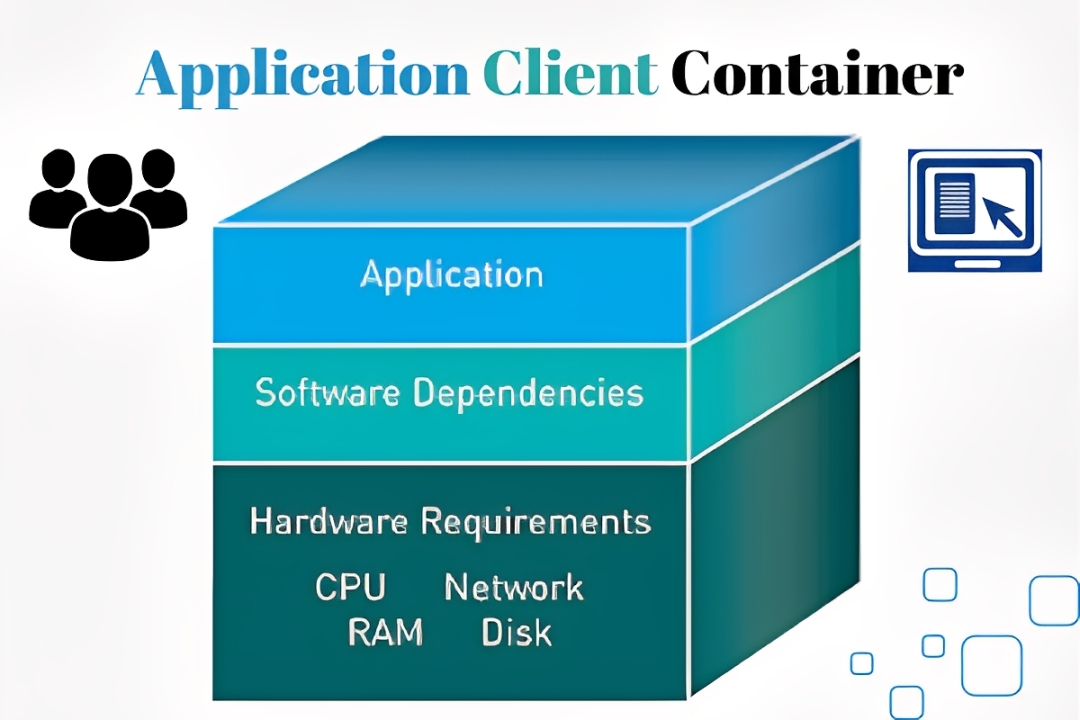
An application client container is a specific runtime environment that helps run and manage client-side applications in enterprise software systems. It gives client applications a regulated environment to run in while using built-in services like security, configuration management, resource handling, and connectivity with backend servers.
Businesses in the UK and around the world often use this technology with enterprise Java platforms, distributed systems, and current cloud-based infrastructures.
Ever wondered how enterprise applications run smoothly and securely across servers and the cloud? The secret lies in the power of an application client container.
Understanding the Concept
In the past, client programs in software development frequently took care of their own security, resources, and connectivity to servers. An application client container makes things easier by acting as a middleman between the client application and the system it runs on.
The container makes sure that the program runs in a controlled and standardized environment, which lowers the number of mistakes and makes the system more consistent.
Core Responsibilities of an Application Client Container
An application client container does a number of important technological tasks, such as
- Lifecycle Management: Manages the operations of starting, running, and shutting down a program.
- Security Management: Deals with secure communication methods, authentication, and authorization.
- Resource Handling: Handles memory, threads, and system resources in a way that works well.
- Communication Services: Lets you easily connect with application servers, databases, and business services.
- Configuration Management: It keeps all of the program settings in one place, which makes updates easier and safer.
How an Application Client Container Works
The application client container is an element of a client-server architecture. Instead of running directly on the operating system, a client application runs inside the container when it is started. The container then:
- Loads the libraries and other files that are needed
- Makes safe connections with components on the server side
- Handles network communication and service lookups
- Makes sure that security rules and access controls are followed
This lets developers focus on business logic instead of worrying about infrastructure.
Importance in Business Software Systems
Application client containers are very useful in big businesses where security, performance, and consistency are very important. Many businesses in the UK employ this method in areas like:
- Banking and financial services
- Information systems for health care
- Platforms for the government and the public sector
- Schools and colleges for research and education
- Systems for planning resources for businesses
Application Client Containers Common Use Cases
- Desktop apps for businesses
- Client apps that use Java
- Tools for safe business communication
- Client platforms that work with the cloud
- Systems that are distributed and use microservices
Advantages of Using an Application Client Container
There are many benefits to using an application client container:
- Better reliability: It cuts down on program crashes and runtime issues.
- Better Security: Centralized security policies keep sensitive data safe.
- Easier Development: Developers don’t have to write the same infrastructure code over and over.
- Scalability: It lets business systems grow without needing a lot of redesign.
- Maintainability: It’s easy to handle updates and changes to settings.
Application Client Container vs Standalone Client Applications
| Aspect | Application Client Container | Standalone Client |
| Runtime Environment | Managed | Unmanaged |
| Security | Built-in controls | Limited |
| Maintenance | Centralised | Manual |
| Enterprise Suitability | High | Low |
| Scalability | Strong | Weak |
Things to think about and problems
There are several benefits to using application client containers, but they also need:
- Proper setup and management
- Knowledge of technical things
- Works with business platforms
But these problems are usually not as bad as the benefits of long-term stability and efficiency.
Importance in Today’s Cloud and Microservices Architecture
As cloud computing has become more popular, application client containers have changed to work with cloud-native and microservices-based architectures. They now work perfectly with platforms for container orchestration, service discovery, and ecosystems that are driven by APIs. This connection lets client apps work well with microservices that are deployed separately while keeping the same communication standards.
Application client containers assist make sure that on-premises and cloud infrastructures work together in hybrid and multi-cloud scenarios. They handle secure connections, service authentication, and dynamic scaling without needing to make major changes to the code on the client side. This is especially useful for businesses that use dispersed systems and remote access models.
Conclusion
In enterprise and cloud-based software systems, the application client container is a basic technology. It gives client applications a safe, dependable, and scalable environment, which makes it an important idea for students, developers, and IT professionals in the UK. Companies may construct strong systems that satisfy the needs of modern software and industry standards by learning about this technology.
For more read : Xoul AI Demystified: From Core Technology to Real-World Applications