
Introduction
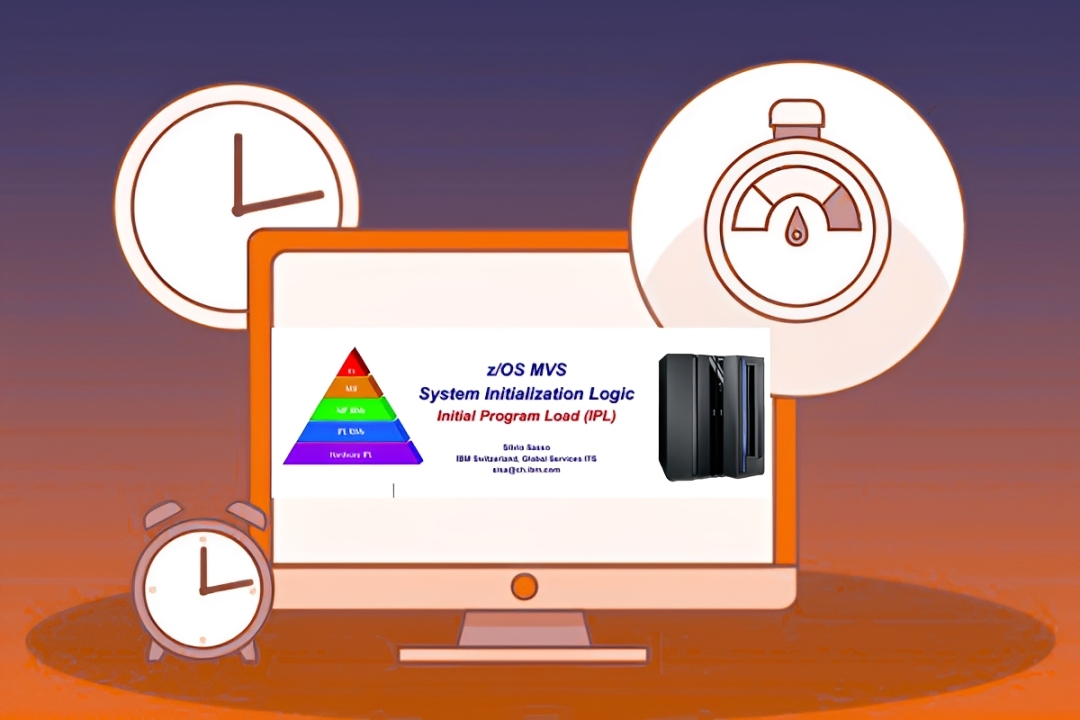
Strong startup procedures are essential to the dependable running of mainframe systems like IBM z/OS in the field of enterprise computing. The foundation of this startup process is the initial program load (IPL), which loads the operating system core and other components into memory. Protecting the IPL from vulnerabilities has become crucial as businesses rely more and more on mainframes for mission-critical tasks. Incorporating best practices for system integrity, configuration management, and threat response, this paper examines important tactics for reducing risks during safe boot in contemporary mainframe environments. IT workers may ensure high availability in z/OS configurations and improve resilience against cyber threats by taking care of these factors.
Because of their fundamental role in system control, mainframe boot processes—including initial program load parameters and firmware interactions—are frequently the focus of exploitation. We’ll explore useful strategies to protect these mechanisms, drawing on well-known manuals such as IBM Redbooks and security technical implementation guides (STIGs). Knowing these ideas can help you improve your z/OS initialization while adhering to compliance standards like those from DISA, regardless of your background as a system programmer or security analyst.
Safe IPL Bases for Mainframes
The foundation of mainframe system startup is the initial program load, which fetches and initializes the z/OS nucleus from storage. This procedure ensures that the system moves from a powered-off state to operational readiness by verifying the hardware and loading essential programs. Initial program load foundations place a strong emphasis on access constraints on vital datasets like SYS1 in secure environments. IPL programs and master catalog pointers are stored in NUCLEUS. Safeguarding these components prevents unwanted changes that could jeopardize the entire boot process.
On top of this, mainframe administrators ought to use external security managers (ESMs) like RACF or TSS to establish role-based access. By recording every write attempt in IPL-related libraries, these tools uphold the least-privilege concept. By finding mistakes early, regular checks of initial program load setups, including PARMLIB datasets, make the system even stronger. In addition to reducing risks, this proactive approach facilitates smooth upgrades in dynamic mainframe ecosystems.
Integrity via IPL-Firmware Integration
Firmware facilitates hardware-software handshakes at boot, which is crucial to the initial program load. This integration, which uses techniques like digital signatures to certify IPL components, guarantees that only verified code runs in z/OS systems. Effective integration reduces the likelihood of a firmware-based attack, where compromised microcode could alter boot behavior.
Follow IBM’s z/Architecture standards and include firmware updates as part of regular IPL maintenance to ensure integrity. To avoid reverting to unsafe defaults, hardware management consoles (HMCs) should be configured to enforce secure initial program load modes. For tech-savvy readers interested in z/OS security hardening, firms can preserve the chain-of-trust from power-on to full system availability by treating firmware as an extension of the IPL procedure.
Revealing Hidden IPL Weaknesses
Outdated configurations or neglected access paths in mainframe setups are frequently the source of hidden vulnerabilities in the initial software load. For instance, if the APF library lacks proper authorization, malicious programs may load during IPL and exploit elevated privileges. Comprehensive vulnerability scans are necessary to find these, with an emphasis on LPA (Link Pack Area) modules that endure reboots.
Unlogged access to initial program load settings in IEASYSxx files is a common problem that can cause data leaks or system instability. Use automated methods for code-based scanning to uncover hidden dangers in approved programs. In contemporary z/OS setups, this visibility enables system programmers to prioritize updates, turning possible vulnerabilities into stronger protections.
- Risks of Code Injection: Use MVS commands to keep an eye out for any unwanted LPA additions.
- Configuration Drift: Examine PARMLIB settings for inconsistencies after the IPL.
- Privilege Escalation: To avoid excessive permissions, audit ESM rules for IPL datasets.
Increasing Secure Boot’s Strength in the IPL
Every step of the startup process, from firmware to OS loading, is verified by secure boot mechanisms during the initial program load. This entails turning on capabilities like secure initial program load in mainframes, which cryptographically compares boot images to trusted hashes. By fortifying this procedure during system initialization, we reduce man-in-the-middle assaults.
By incorporating multi-factor hardware tokens for boot authorization, administrators can improve IPL and guarantee that only verified personnel launch startups. Additionally, limit operator overrides that circumvent secure checks in accordance with STIG recommendations for z/OS. In addition to strengthening resilience, this tiered strategy complies with changing mainframe security requirements for critical activities.
IPL Configuration Risk Mapping
A careful look at factors like those in LOADxx, which define IPL datasets and storage setups, is needed to identify risks in initial program load configurations. Dynamic IODF (Input/Output Definition File) modifications frequently pose risks since they may add unconfirmed devices to the boot path.
To classify problems, such as high-impact vulnerabilities in ESM configurations that regulate IPL access, create a risk matrix. This mapping simplifies the process of prioritizing mitigations, such as requiring audit trails for configuration changes. Tech-savvy users can proactively fill in the gaps and guarantee reliable z/OS initialization routines by visualizing these components.
| Risk Category | Description | Mitigation Strategy |
| Parameter Misconfiguration | Incorrect IEASYSxx entries leading to failed IPLs | Validate via pre-boot simulations |
| Device Mapping Errors | Unauthorized hardware additions via IODF | Implement change control workflows |
| Access Control Lapses | Overly permissive ESM rules | Enforce least-privilege with RACF/TSS |
Advanced Security Measures to Prevent IPL Attacks
Advanced encryption prevents tampering with boot datasets, protecting the initial application load. Use pervasive encryption for IPL volumes in z/OS to protect data at rest while it’s starting up. This procedure prevents assaults in which adversaries try to infect the nucleus load process with malware.
Reduce exposure windows by integrating key management systems to rotate encryption keys on a regular basis. Hardware-accelerated encryption is made possible for IT aficionados by products like IBM’s Crypto Express adapters, which increase IPL efficiency without sacrificing security. In modern settings, this tactic strengthens mainframe boots against complex threats.
Secure IPL: Protection vs. Speed
Optimizing IPL types—cold, warm, or quick—while incorporating security checks is necessary to strike a balance between speed and security in a secure initial program load. Rapidity is given priority in quick starts, but comprehensive verifications may be omitted, raising the danger in high-threat situations.
Configure hybrid IPL modes that include lightweight scans with negligible latency to make this work. System programmers can adjust parameters to ensure that z/OS boots quickly while maintaining security by using performance indicators. This balance may appeal to readers seeking effective mainframe administration amid rising security demands.
Optimization Advice: Use selective module inclusion to shorten LPA preload times.
Security Trade-offs: Enable logging for rapid IPLs to monitor irregularities.
Benchmarking: Examine IPL durations both before and after security improvements.
IPL Development for Upcoming Dangers
Mainframe architectures must include forward-compatible designs to adjust the initial program load as threats change. To anticipate IPL interruptions from new threats like quantum-inspired attacks, use AI-driven anomaly detection.
Regular firmware and z/OS updates are part of future-proofing, which is in line with IBM’s strategy for improved IPL resilience. Organizations can maintain proactive defenses and draw in tech-savvy individuals who are concerned with long-term system integrity by anticipating trends in mainframe security.
IPL Security Changes in the Real World
In the real world, switching from traditional installations to hardened z/OS configurations is frequently necessary to implement changes in initial program load security. Case studies demonstrate how ESM-driven access controls on vital libraries help businesses cut IPL failures by 40%.
As an illustration: By introducing automated vulnerability scans into their IPL procedure, a financial institution was able to achieve zero unauthorized boots over a two-year period. These achievements demonstrate useful applications and offer readers practical advice for putting comparable improvements into practice in their mainframe environments.
Tools for Secure IPL Auditing
To ensure a secure initial application load, you need auditing tools that provide details about boot operations. During initial program load, tools such as BMC’s solutions look for permitted state vulnerabilities in LPA and record any differences for later evaluation.
To avoid failures, use IBM’s Image FOCUS or open-source equivalents to verify setups prior to the IPL. Integrate these with ESMs for real-time alerts for thorough audits, enabling system administrators to successfully enforce z/OS security standards.
| Tool | Key Features | Use Case |
| Image FOCUS | Configuration validation, IPL failure prevention | Pre-boot checks |
| BMC Auditor | LPA module scanning, vulnerability detection | Ongoing monitoring |
| RACF Auditor | Access logging, compliance reporting | ESM integration |
Frequently Asked Questions
What distinguishes the warm IPL from the cold IPL in z/OS?
While a warm IPL reuses existing storage for quicker restarts, a cold IPL completely reloads the system from scratch, making it perfect for significant modifications. However, both require secure setups to reduce hazards.
How can I prevent unwanted access to my IPL parameters?
Limit write access to PARMLIB datasets using ESMs like RACF, and make sure that all changes are fully logged.
How does firmware contribute to a secure IPL?
Regular firmware updates are essential for ensuring hardware integrity during the IPL and preventing tampering by integrating with a secure boot.
Are there any programs that can mimic IPL hazards without requiring a reboot?
Indeed, pre-validating setups to find such flaws or vulnerabilities is possible with tools like Image FOCUS.
How is IPL security improved by encryption?
Initial program load datasets can be encrypted to prevent data manipulation. Hardware like Crypto Express can be used to provide effective and legal security measures.
Conclusion
In mainframe environments, protecting the initial program load necessitates a multipronged strategy that combines fundamental safeguards with cutting-edge mitigations. Organizations can establish robust z/OS beginnings by utilizing auditing tools, optimizing setups, and fixing vulnerabilities. Maintaining operational integrity and compliance as mainframe technology develops requires being alert to new dangers.
For more, read: Exploring the Impact of IBM’s Corporate Service Corps on Emerging Markets